

ARIAL OIL NEWS
The Chinese export shock: why fighting back is so hard
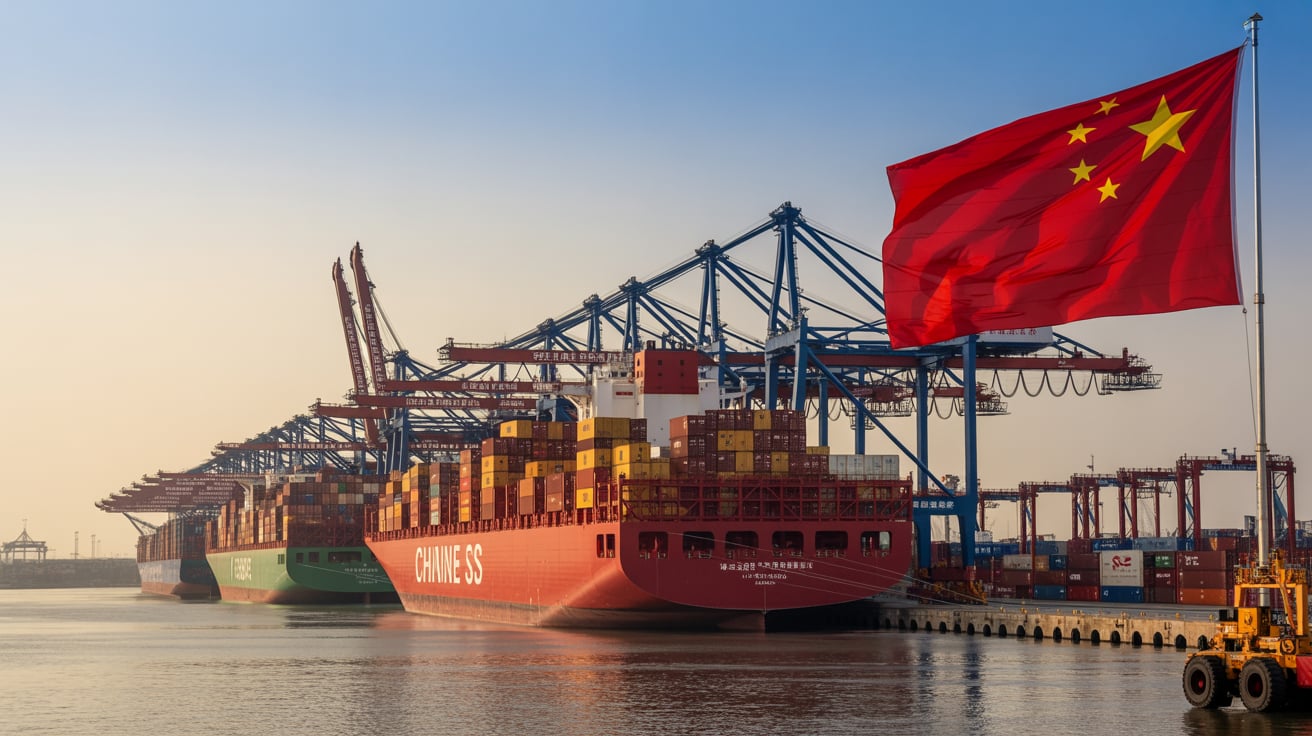
For more than two decades, advanced economies opened their markets to low-cost Chinese goods. It cost millions of jobs — but kept inflation in check and gave Western companies access to China’s growing middle class.
That model is broken.
Chinese companies are no longer limited to toys, textiles and consumer electronics. They are rapidly moving into high-margin industrial sectors that once underpinned prosperity in the US, Europe and Japan:
• Electric vehicles and trucks
• Robotics
• Semiconductors
• High-speed trains
• And the machinery needed to produce them
China already accounts for roughly one-third of global manufacturing output. Its trade surplus reached about $1.2 trillion in 2025 and continues to grow.
Why is it so difficult for competitors to respond?
– Massive overcapacity forces Chinese firms to export aggressively
– State support allows them to operate with thinner margins for longer
– Scale makes it nearly impossible to match cost structures
– Tariffs often just reroute trade through third countries rather than reduce overall volumes
For logistics and freight, the consequences are already visible: rising container volumes, stronger competition from Chinese electric trucks in Europe, and growing pressure on European manufacturers and their supply chains.
The structural forces behind this export push are not temporary. They will continue to reshape global trade flows, manufacturing footprints and transport demand in the years ahead.
How is your company adapting to this shift?
Full analysis here:
https://www.bglogist.com/2026/10/01/the-chinese-export-shock-why-it-is-difficult-for-competitors-to-fight-back/
#Logistics #SupplyChain #GlobalTrade #ElectricTrucks #China #Manufacturing #Freight