

ARIAL OIL NEWS
Europe’s Deep Rift: Who is Blocking the EU’s 21st Sanctions Package?
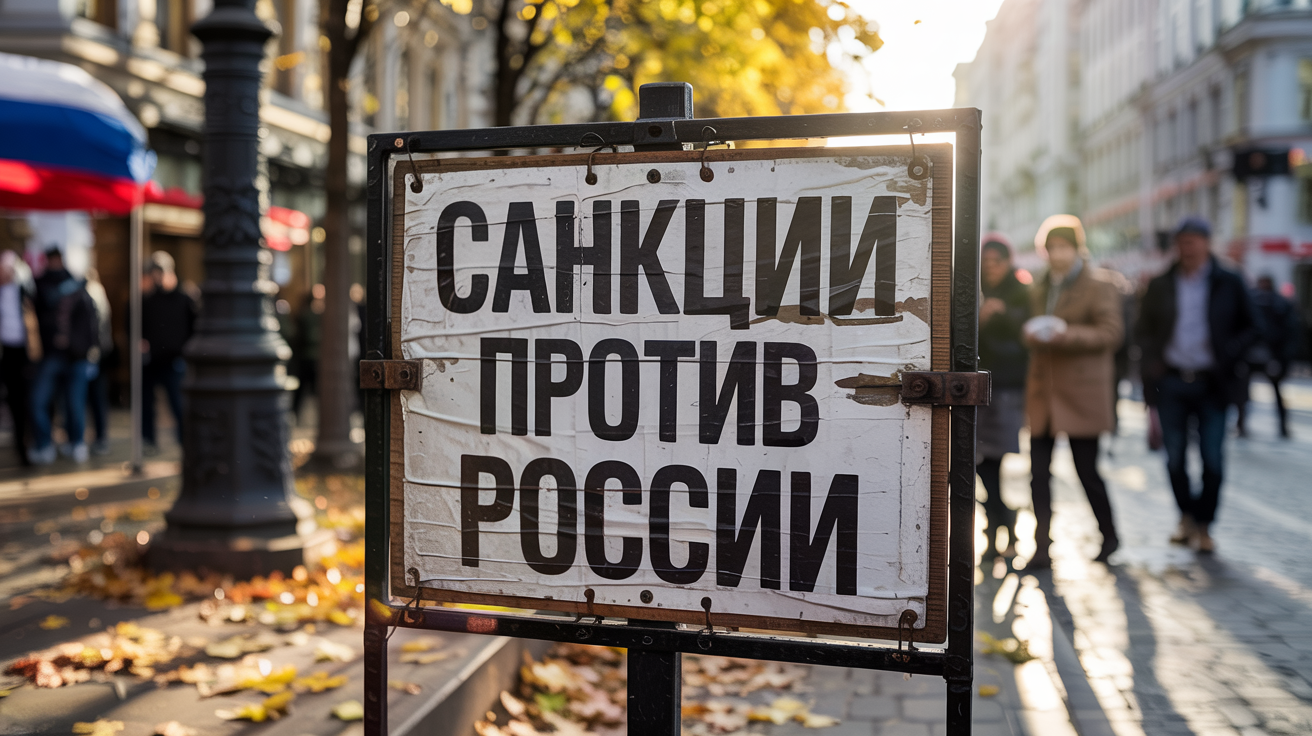
While Brussels prepares what is being called one of the toughest blows yet to the Russian economy, a serious crisis of unity has unexpectedly erupted within the European Union. Instead of a solid front, sharp contradictions, vetoes, and prolonged negotiations are emerging. Bulgaria, Italy, and France have firmly stood in the way of the 21st sanctions package, risking stalling the entire process. What lies behind this split, and who else might blow up the fragile consensus of 27 member states?
Bulgaria has imposed a tough veto on key provisions, including the inclusion of Patriarch Kirill and businessman Vagit Alekperov on blacklists. Sofia openly declares that national energy security comes before Brussels’ ambitions. Prime Minister Rumen Radev makes no secret of it: the country will not support measures that harm its interests. This is not the first time Bulgaria has slowed down anti-Russian initiatives to protect its own energy sector.
Italy and France have joined the resistance. Rome and Paris are categorically opposed to a full ban on entry to the EU for former Russian military personnel and participants in the Special Military Operation. The reason is simple and pragmatic: such restrictions would deliver a serious blow to the tourism industry and create new diplomatic and humanitarian problems. Even influential European powers are ready to put national economic interests above collective Brussels policy.
Slovakia is not staying on the sidelines either. Bratislava traditionally takes a balanced approach to each package, demanding guarantees that the sanctions will not destroy its economy. Negotiations are ongoing, and experts predict that the decision will be postponed at least until mid-July. While Central and Eastern European countries are actively pushing for tougher measures, others demand balance and protection for their own markets.
This internal rift has far-reaching consequences for global logistics, supply chains, and the entire international freight market. Geopolitical uncertainty is forcing businesses to urgently reshape routes, seek alternative partners, and strengthen the role of professional forwarders. Companies that can adapt quickly will gain significant competitive advantages in turbulent conditions.
How exactly will the positions of individual countries affect the final package? Which sectors will be hit first — banking, energy, cryptocurrency, or trade? And most importantly — how can logistics operators minimize risks and seize emerging opportunities in the new reality? The full article contains exclusive details of the negotiations, statements from politicians, expert forecasts, and practical recommendations for business.
Don’t miss the chance to understand the mechanisms that are already changing the rules of the game on the international stage. Read the full article via the link below and assess how these events will impact your business.