

ARIAL OIL NEWS
Comparison of BMW’s EV Strategy to Tesla’s
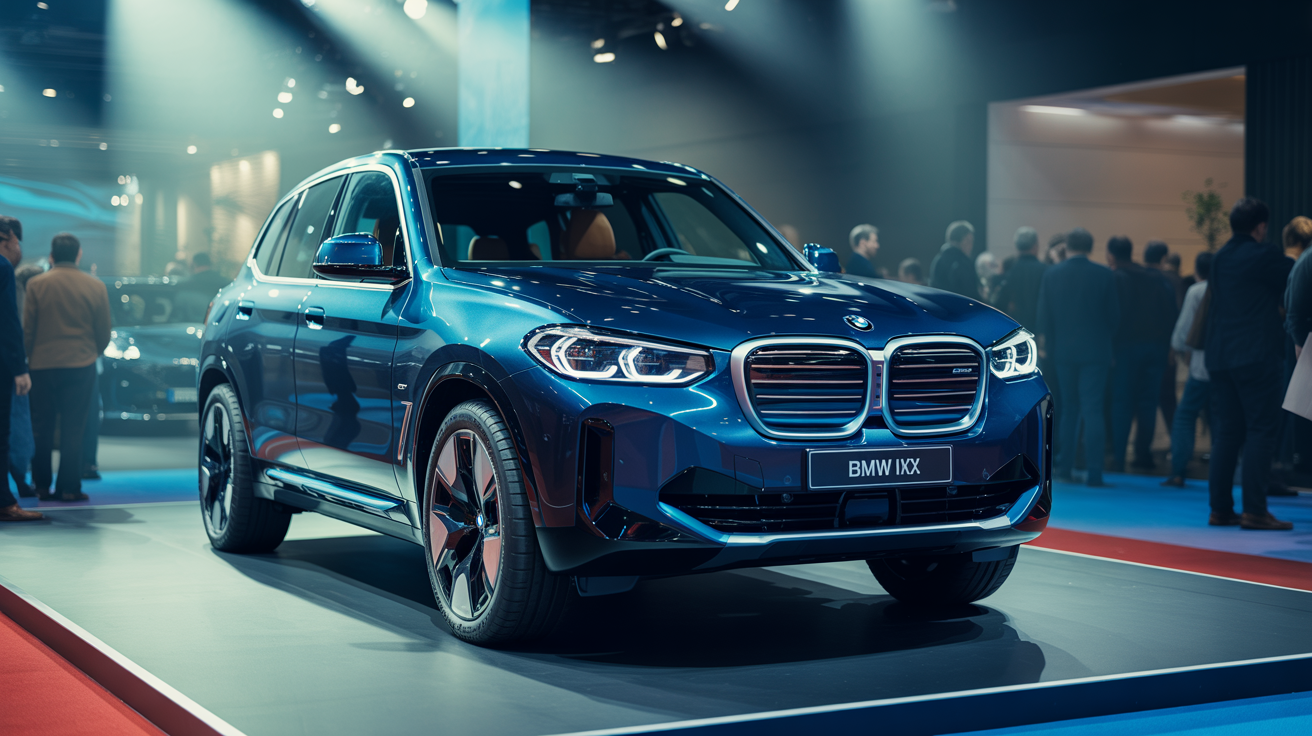
BMW and Tesla represent contrasting approaches to the electric vehicle (EV) market in 2025. BMW adopts a pragmatic, flexible strategy that hedges against market uncertainties by supporting multiple powertrains, while Tesla remains aggressively focused on pure EVs, autonomy, and ecosystem integration. This comparison draws on their latest updates, highlighting key differences in platforms, products, technology, sales, and future goals.
Product Lineup and Platforms
BMW’s strategy emphasizes dual platforms for EVs: the modular CLAR (Cluster Architecture), originally designed for internal combustion engines (ICE) but adapted for EVs, plug-in hybrids (PHEV), and hydrogen; and the dedicated Neue Klasse (NCAR), a clean-sheet EV architecture optimized for efficiency with structural battery integration and 800V systems. CLAR handles large SUVs like the upcoming iX5, iX6, and iX7, prioritizing space and towing. Neue Klasse targets high-volume core models, starting with the iX3 SUV (named 2026 Car of the Year for its advancements), followed by i3 sedan, iX4 coupe, and electrified M variants like the ZA0 M3. This allows BMW to offer over 40 new or updated vehicles by 2027, blending EVs with PHEVs for markets slow to adopt full electrification.
Tesla, in contrast, is all-in on BEVs with no hybrids or ICE options, building on a unified platform ecosystem. Its 2025 lineup includes affordable updates like the Model 3 and Model Y Standard (starting at $36,990 and $39,990 with 300+ miles range), Model Y Performance (0-60 mph in 3.3 seconds), and the China-specific Model YL (extended wheelbase with 6 seats). Tesla’s focus shifts toward volume and accessibility, with Cybercab (autonomous robotaxi) and Tesla Semi slated for 2026 production. Unlike BMW’s multi-platform flexibility, Tesla’s vertical integration streamlines production but limits adaptability to non-EV demands.
Technology and Innovation
BMW is doubling down on software to compete, introducing a “superbrain” centralized computing system in Neue Klasse models, offering 20x the power of current setups for automated driving, infotainment, and controls. Battery tech advances include sixth-generation cylindrical cells, reducing costs by 40-50% at the pack level. Partnerships, such as with Tesla for Supercharger access, enhance infrastructure without full ownership. This positions BMW as a premium brand challenger to Tesla and Chinese rivals like BYD, emphasizing quality and customer focus over raw volume.
Tesla leads in autonomy and AI, with every vehicle designed for Full Self-Driving (FSD) and robotaxi capabilities, already launching ride-hailing in the Bay Area and Austin. Its Master Plan Part IV envisions “sustainable abundance” through EVs, battery storage, solar, and robotics like Optimus, aiming to eliminate scarcity in mobility and energy. Innovations include 4680 cells, AI training with Dojo, and ecosystem tools like Autobidder for virtual power plants. Tesla’s edge lies in software-defined vehicles and data from its fleet, but it faces criticism for overpromising on timelines.
Production and Supply Chain
BMW invests in localized production, like its U.S. factory in Spartanburg for X models and new battery centers, to navigate tariffs and reduce costs. It runs CLAR and Neue Klasse in parallel for risk hedging, with Neue Klasse factories in Hungary and Mexico starting in 2025-2026.
Tesla’s Gigafactory network enables massive scale, with localization for LFP batteries in the U.S./Europe and a Texas lithium refinery online in Q4 2025. This vertical integration cuts costs but exposes it to supply chain disruptions, as seen in tariff navigation.
Sales and Market Performance
BMW’s electrified sales (EVs + PHEVs) rose 18.5% in H1 2025 to 318,949 units, with BEVs at 17-18% of total sales. It maintains a 3% global share, focusing on premium margins.
Tesla delivered a record 497,099 vehicles in Q3 2025 (up 7% YoY), but faces U.S. sales declines (Q4 down 29.8% QoQ) and slipped behind VW in Europe. Annual figures show woes, with projections for a “very bad” 2025 amid competition. Tesla’s affordability push aims to reverse this.
Future Goals and Challenges
BMW targets >50% BEV sales by 2030 and >10 million EVs delivered, leveraging Neue Klasse for efficiency. Challenges include competing with Chinese price wars and slower EV adoption.
Tesla’s goals align with Master Plan IV: 20 million annual vehicles by 2030, full autonomy, and robotics integration. It grapples with sales slowdowns, regulatory hurdles for FSD, and market saturation.
In summary, BMW’s strategy is cautious and diversified, ideal for premium markets with uncertain EV demand, while Tesla’s bold, EV-only vision drives innovation but risks volatility. BMW may appeal to traditional buyers seeking flexibility, whereas Tesla targets disruptors prioritizing tech and sustainability. As 2025 ends, both face intensifying competition, but their paths highlight the EV industry’s divide between evolution and revolution.