

ARIAL OIL NEWS
Airbus Secures $8 Billion Lifeline from Chinese Airlines: A Strategic Win in the Skies Amid Geopolitical Turbulence
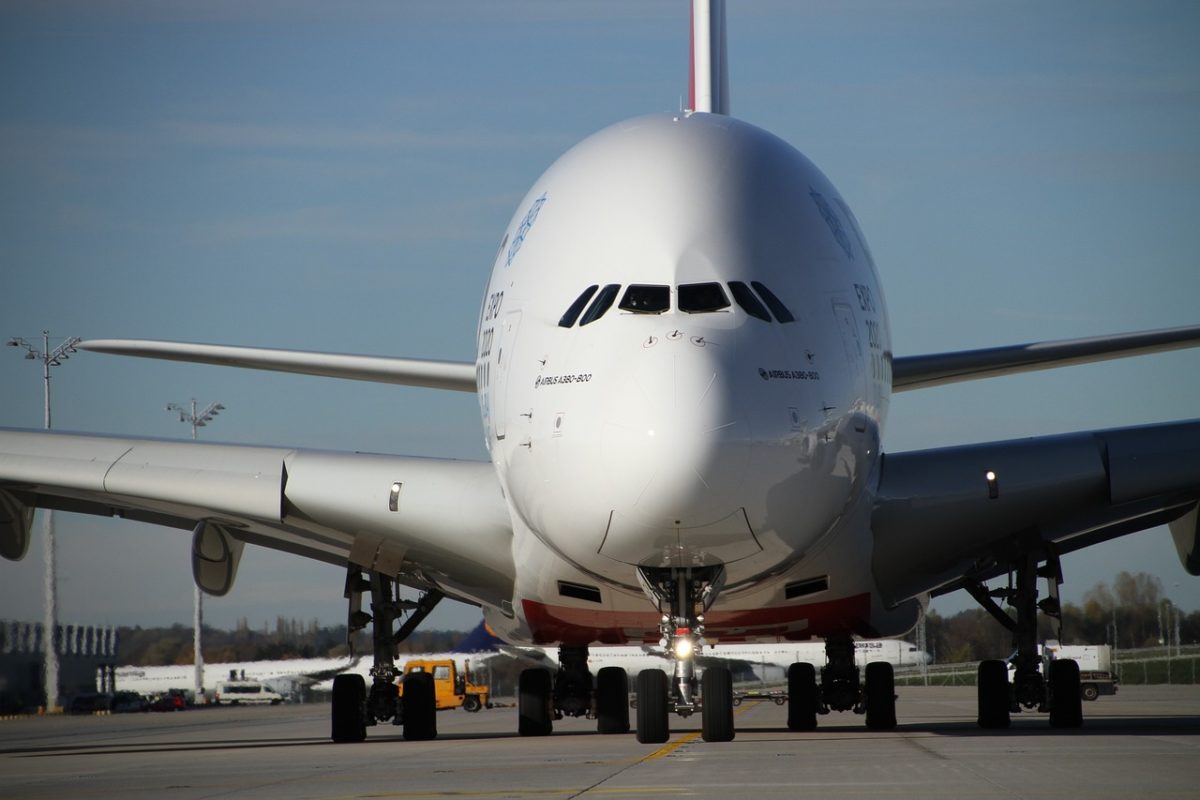
Toulouse, France – December 29, 2025 – In a significant boost for the European aerospace giant, Airbus SE has clinched aircraft orders totaling approximately $8 billion from two prominent Chinese carriers, underscoring the company’s growing dominance in the world’s largest aviation market. The deals, announced via stock exchange filings, involve Juneyao Airlines and Spring Airlines, highlighting China’s insatiable demand for efficient narrow-body jets amid a post-pandemic travel boom and escalating US-China trade tensions.
Details of the Deals: Fueling China’s Aviation Expansion
Juneyao Airlines, a Shanghai-based carrier known for its rapid growth in domestic and regional routes, has committed to purchasing 25 Airbus A320 jets valued at $4.1 billion at list prices. Deliveries are slated to begin in 2027, with the aircraft aimed at bolstering the airline’s fleet efficiency and supporting its expansion into Southeast Asia. Meanwhile, low-cost powerhouse Spring Airlines has inked a deal for 30 A320neo models, capping at $4.13 billion. The neo variant, renowned for its fuel-efficient engines and reduced emissions, aligns with China’s push toward greener aviation amid global sustainability pressures. These orders come at catalog prices, though actual figures are typically discounted in bulk deals, potentially shaving off 40-50% based on industry norms.
The A320 family, Airbus’s best-selling single-aisle series, continues to be a cornerstone for Chinese operators, who prioritize cost savings and high-density configurations for the country’s vast domestic network. With China’s air travel market projected to surpass the US by 2030, such orders are pivotal for carriers navigating rising fuel costs and regulatory demands for lower carbon footprints.
Airbus vs. Boeing: A Shifting Balance of Power
This windfall arrives at a critical juncture for Airbus, which has been ramping up production to meet a backlog exceeding 8,000 aircraft. The European manufacturer has consistently outpaced Boeing in China, where geopolitical frictions have hampered the US rival. Boeing’s deliveries to Chinese airlines have dried up since 2019, exacerbated by safety concerns post-737 MAX crises and renewed tariffs under the second Trump administration. In contrast, Airbus’s market share in China has swelled to over 60%, bolstered by local assembly lines in Tianjin and strategic partnerships.
Analysts view these orders as a double-edged sword. For Airbus, they solidify its lead in narrow-body jets, potentially adding momentum to its goal of producing 75 A320s monthly by 2027. However, reliance on China—now accounting for 20% of global aircraft deliveries—exposes the company to Beijing’s leverage in trade disputes. “These deals are a testament to Airbus’s agility in navigating choppy geopolitical waters,” notes aviation consultant John Strickland. “But with Comac’s C919 gaining traction domestically, Airbus must innovate to maintain its edge.”
Boeing, meanwhile, faces an uphill battle. Recent reports of potential mega-orders from China earlier in 2025 fizzled amid US export restrictions, leaving the American firm sidelined. This latest snub could pressure Boeing’s stock, already volatile amid labor strikes and supply chain woes, further widening the gap in the duopoly’s rivalry.
Geopolitical and Economic Implications
The timing of these announcements is no coincidence. As US-China relations strain under renewed tariffs and technology curbs, Beijing’s preference for European suppliers signals a deliberate diversification strategy. China’s aviation sector, recovering from COVID-induced slumps, is poised for explosive growth: passenger numbers are expected to hit 1.5 billion annually by 2035. Yet, domestic player Comac lags in certification and efficiency, making Airbus a pragmatic choice for now.
Broader economic ripples include job creation in Europe—Airbus’s supply chain spans thousands of suppliers—and potential EU-China trade thaw. However, risks abound: any escalation in US-EU tensions could indirectly affect Airbus, while China’s push for self-reliance via Comac might erode foreign orders long-term.
Outlook: Soaring Ahead or Turbulent Skies?
These $8 billion orders cap a banner year for Airbus, which has already notched record deliveries despite global supply bottlenecks. For Chinese airlines like Juneyao and Spring, the deals ensure fleet modernization amid fierce competition. Yet, in an industry shadowed by geopolitics, sustainability mandates, and emerging rivals, Airbus’s victory may be fleeting. As one analyst quipped, “In aviation, today’s headwind is tomorrow’s tailwind—China’s skies are vast, but unpredictable.”
This development not only reaffirms Airbus’s strategic pivot to Asia but also highlights the fragile interplay of commerce and politics in global trade. Investors and policymakers alike will watch closely as the aviation sector navigates these high-stakes altitudes.